
Emeriti Faculty
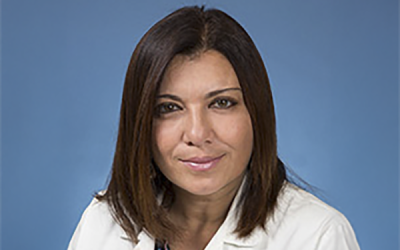
Peter Narins
Auditory Neurophysiology, Mechanics and Behavior My research focuses on the question of how animals extract relevant sounds from the often highly noisy backgrounds in which they live. The techniques I use are the quantitative analysis of vocal behavior of animals in their natural habitats, followed by single fiber neurophysiological recordings in order to elucidate mechanisms underlying signal processing in noise. A second research direction is based on the discovery of the remarkable sensitivity to substrate vibrations possessed by burrowing animals. We are now characterizing and providing accurate measurements of vibrational thresholds as well as exploring the differences between substrate-vibration and airborne sound at the cellular level. Other projects carried out by our group have included an investigation of the neurophysiological basis of sound localization in noisy environments, a study of the temperature-dependence of the representation of time in the vertebrate auditory system, the biophysics of sound localization and the evolution of the middle ear reflex in vertebrates. Current projects include using laser Doppler vibrometry to elucidate the sound pathways relevant for stimulation of both the middle and inner ear in small vertebrates, and using whole-cell voltage clamp techniques to carry out an anatomical and physiological study of the mechanisms underlying transduction in vertebrate sensory hair cells. When possible, we supplement the lab work with direct behavioral observations and controlled acoustic playback studies carried out with animals in their natural habitats. These have included both Old and New World lowland wet tropical forests, African deserts and temperate forests in South America.
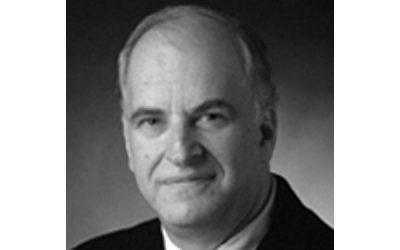
Harry McKellop
Professor McKellop’s research areas include: musculoskeletal biomechanics, stabilization and healing of fractures; improving the durability of orthopaedic implants; developing and evaluating wear resistant bearing materials for prosthetic joints (hip, knee and spinal disc replacements), particularly crosslinked polyethylene and metal-metal bearings; through the analysis of retrieved implants, evaluating how the design and bearing material affect the long-term clinical performance; use of computer modeling (finite element analysis) to evaluate and improve the performance of many types of orthopaedic implants, particularly the nature of the bone-implant interface.
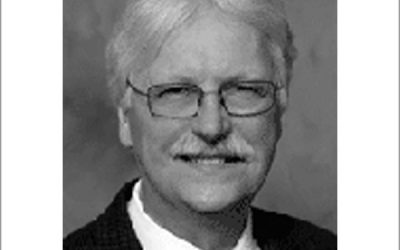
Elliot Landaw
Dr. Elliot Landaw’s research interests center on kinetic analysis, compartmental modeling, nonlinear estimation and optimization problems in pharmacokinetics, physiology and molecular biology. His methodological interests in parameter estimation, optimal/robust sampling designs and adaptive control for computational models address problems arising from a variety of collaborations with experimental and clinical groups.
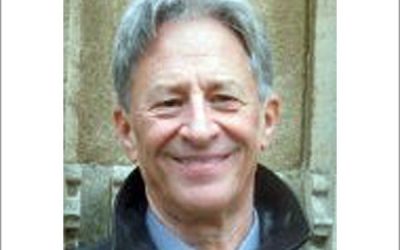
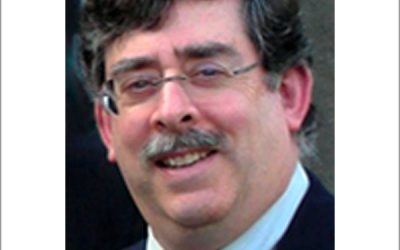
Alan Garfinkel
Dr. Garfinkel graduated from Cornell and received his PhD from Harvard in philosophy and mathematics. He is particularly interested in nonlinear dynamics and its applications to medicine.
Victor Edgerton
Dr. V. Reggie Edgerton received his Ph.D. in Exercise Physiology from Michigan State University. He has been at the University of California, Los Angeles, since 1968.
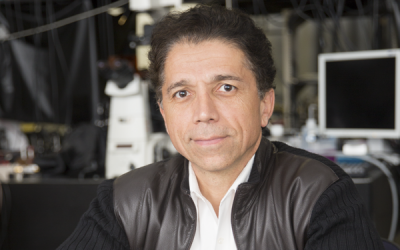
Bahram Jalali
Bahram Jalali is a professor emeritus of electrical and computer engineering at UCLA, with joint appointments in bioengineering and the California NanoSystems Institute (CNSI).
Jalali received his Ph.D. in applied physics from Columbia University in 1989 and was with the Physics Research Division of Bell Laboratories in Murray Hill, New Jersey from 1988 to 1992 before joining UCLA. He is a member of the National Academy of Inventors (NAI), Fellow of IEEE, OSA, APS, AIMBE, and SPIE. He is the recipient of the R.W. Wood Prize from the Optical Society of America for creating the first silicon laser, the Aaron Kressel Award from IEEE, and the Achievement Medal from IET (U.K), and the Pioneer in Technology Award from the Society of Brain Mapping & Therapeutics. He is the inventor of the time stretch and the radiofrequency imaging and sensing modalities that have been commercialized for applications to blood screening.
In 2022, Jalali was elected as a member of the National Academy of Engineering. He is also a member of the UCLA Parker Institute for Cancer Immunotherapy (PICI). He has been elected into the Scientific American Top 50 and MIT Technology Review Magazine Top 10 and has served on the board of directors of the California Science Center, the Brentwood School, and was a member of the Institute of Defense Analysis’ Microsystem Exploratory Council. He currently serves on the Board of Visitors of Columbia University School of Engineering.
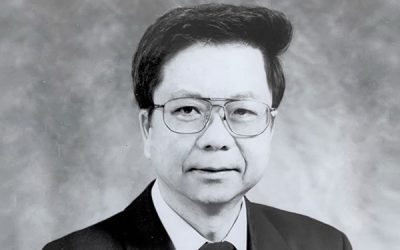
Chih-Ming Ho
Mark Cohen
Denise Aberle
Dr. Aberle is a professor of Radiology in the School of Medicine and professor of Bioengineering in the Henry Samueli School of Engineering and Applied Sciences. She is board-certified in Internal Medicine and Diagnostic Radiology. Dr. Aberle earned her MD degree in 1979 at the University of Kansas in Kansas City, KS and completed a residency in Internal Medicine at Boston University Medical School in 1982. She completed a residency in Diagnostic Radiology at UCLA in 1982, and subspecialty training in thoracic imaging at the University of California, San Francisco. She has been on faculty in Radiological Sciences since 1987, and was the Section Chief of Thoracic Imaging from 1988 to 2005. Dr. Aberle is the Vice Chair of Research in Radiological Sciences and a faculty member in the interdisciplinary Biomedical Physics and the Medical Imaging Informatics training programs, both sponsored by the National Institutes of Health. Dr. Aberle was the Principal Investigator of the ACRIN-NLST (American College of Radiology Imaging Network component of the National Lung Screening Trial). The NLST was an NCI-sponsored randomized trial that compared lung cancer mortality between low dose helical CT (LDCT)versus chest radiography for lung cancer screening. The trial observed a 20% lung cancer mortality reduction with LDCT, which has led to the endorsement of LDCT screening for lung cancer by multiple medical societies. Dr. Aberle’s research centers on lung cancer screening | early diagnosis | prevention and screening implementation. Other interests include: oncologic imaging for response assessment; quantitative image analysis, and oncology informatics.
