Super-strong but lightweight, AA 7075 now could be more widely used in automobiles and other manufacturing thanks to UCLA research
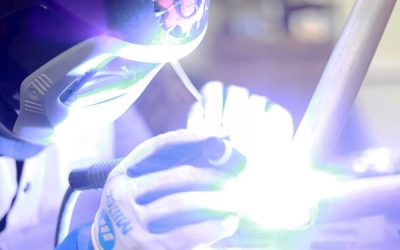

Super-strong but lightweight, AA 7075 now could be more widely used in automobiles and other manufacturing thanks to UCLA research
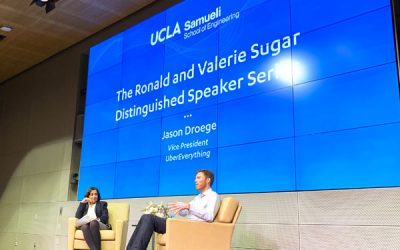
The Uber vice president discussed his entrepreneurial career in the year’s second program in the Ronald and Valerie Sugar Distinguished Speaker Series

The Natural Hazards Risk and Resiliency Research Center includes 37 researchers, from six Southern California research institutions, with expertise in engineering, science, public policy and economics.

NSF grant to UCLA computer science professors Todd Millstein and Guy Van den Broeck will support research to democratize emerging AI-based technology.
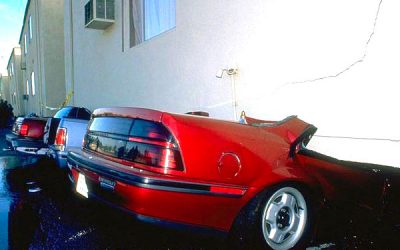
Technologies like artificial intelligence, sensor networks and advances in mapping are driving the work
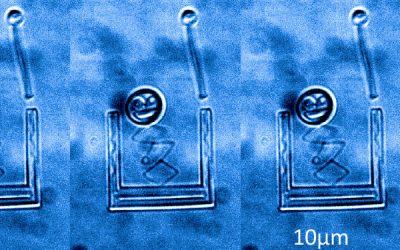
New manufacturing process could lead to microscale soft robots, advanced sensors, and materials that release stored strain energy in controlled ways for shape morphing and energy absorbing applications.
Happy New Year and hang on to your party hats—this year is one for celebration!

Launch a rocket, or build and race a go-kart in your very first quarter at UCLA? That’s what a few dozen first-year engineering students got to do this past fall.

This first episode is an introduction to the UCLA Blockchain video series. It introduces the UCLA Blockchain community along with UCLA professor Villasenor’s blockchain efforts
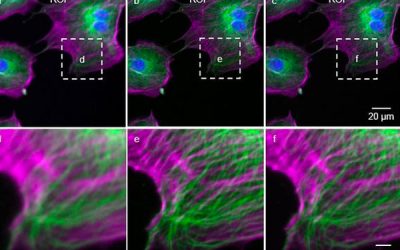
UCLA-led team produces images on a laptop that match the quality of those from high-end equipment

Researchers from UCLA Samueli School of Engineering and Stanford have demonstrated a computer system that can discover and identify the real-world objects it “sees” based on the same method of visual learning that humans use.

Developed by UCLA Engineering researchers, system is ‘like a motion detector for the microscopic world’