Bioengineering

Irene Chen
Elisa Franco
Junyoung Park
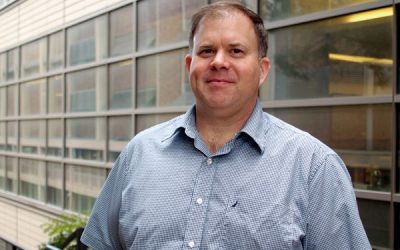
Timothy Deming
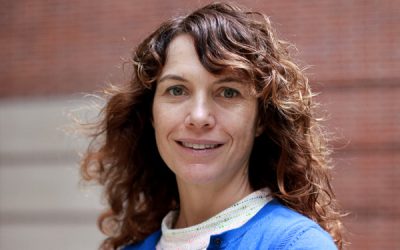
Amy Rowat
Dario Ringach
Peter Narins
Auditory Neurophysiology, Mechanics and Behavior My research focuses on the question of how animals extract relevant sounds from the often highly noisy backgrounds in which they live. The techniques I use are the quantitative analysis of vocal behavior of animals in their natural habitats, followed by single fiber neurophysiological recordings in order to elucidate mechanisms underlying signal processing in noise. A second research direction is based on the discovery of the remarkable sensitivity to substrate vibrations possessed by burrowing animals. We are now characterizing and providing accurate measurements of vibrational thresholds as well as exploring the differences between substrate-vibration and airborne sound at the cellular level. Other projects carried out by our group have included an investigation of the neurophysiological basis of sound localization in noisy environments, a study of the temperature-dependence of the representation of time in the vertebrate auditory system, the biophysics of sound localization and the evolution of the middle ear reflex in vertebrates. Current projects include using laser Doppler vibrometry to elucidate the sound pathways relevant for stimulation of both the middle and inner ear in small vertebrates, and using whole-cell voltage clamp techniques to carry out an anatomical and physiological study of the mechanisms underlying transduction in vertebrate sensory hair cells. When possible, we supplement the lab work with direct behavioral observations and controlled acoustic playback studies carried out with animals in their natural habitats. These have included both Old and New World lowland wet tropical forests, African deserts and temperate forests in South America.
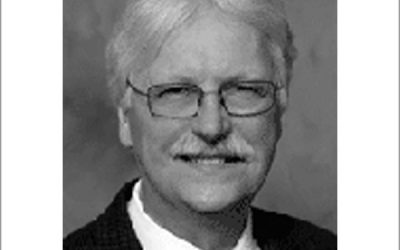
Harry McKellop
Professor McKellop’s research areas include: musculoskeletal biomechanics, stabilization and healing of fractures; improving the durability of orthopaedic implants; developing and evaluating wear resistant bearing materials for prosthetic joints (hip, knee and spinal disc replacements), particularly crosslinked polyethylene and metal-metal bearings; through the analysis of retrieved implants, evaluating how the design and bearing material affect the long-term clinical performance; use of computer modeling (finite element analysis) to evaluate and improve the performance of many types of orthopaedic implants, particularly the nature of the bone-implant interface.
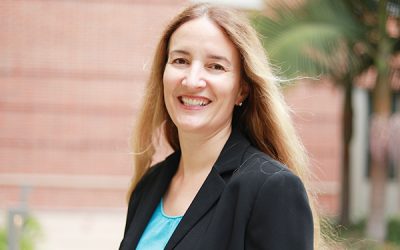
Heather Maynard
Heather D. Maynard is the Dr. Myung Ki Hong Professor in Polymer Science, Professor of Chemistry and Biochemistry, Affiliate Professor of Bioengineering, and a founding member of the California NanoSystems Institute at UCLA. She is also the Co-Director of the National Science Foundation BioPACIFIC Materials Innovation Platform. Maynard is a worldwide leader in the area of protein-polymer conjugates, which are important therapeutics for a variety of diseases. She develops new synthetic methods to make the materials, invents new polymers to improve properties such as stability, and demonstrates preclinical efficacy of her conjugates with an eye towards translation for human health. Maynard also works in the area of smart materials for precision medicine: materials that respond to disease states in the body. Maynard is elected to the National Academy of Sciences, American Academy of Arts and Sciences, American Association for the Advancement of Science, and American Institute for Medical and Biological Engineering. She is an American Chemical Society, Leverhulme, Kavli Frontiers, and Royal Society of Chemistry Fellow. Maynard’s research and teaching have been recognized by numerous awards including the American Chemical Society Arthur Cope Scholar Award, Herman Mark Senior Scholar Award, Macrogroup UK Medal for Outstanding Achievement, Fulbright Specialist Award, and Hanson-Dow Award for Excellence in Teaching. She was a member of the US Defense Science Study Group and is an Associate Editor of the Journal of the American Chemical Society. Maynard received her BS in Chemistry at the University of North Carolina at Chapel Hill; a MS in Materials Science from the University of California, Santa Barbara; PhD from the California Institute of Technology; and was an American Cancer Society postdoctoral fellow at the Swiss Federal Institute of Technology (ETH).

Veronica Santos