

Registrar’s Office
UCLA Samueli is proud to partner with research centers and institutes outside of the university, which allows us to expand ideas while providing opportunities for faculty and students. Together, we’re working to elevate the study and execution of engineering and applied sciences.
MAJOR EXTERNALLY FUNDED MULTI-DISCIPLINARY RESEARCH CENTERS
second part of text
News
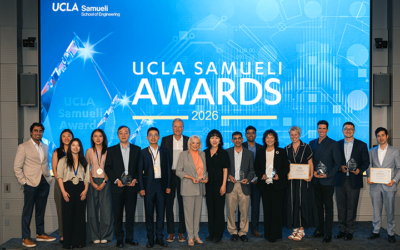
UCLA Samueli Honors 2026 Award Recipients at Annual Showcase
The paths to success in engineering rarely follow a straight line. For many accomplished Bruin engineers, an education at the UCLA Samueli School of Engineering provided the foundation for careers shaped by unexpected opportunities rather than careful planning.

UCLA Samueli to Join Applied Materials’ EPIC Center to Accelerate Chip Innovation
The UCLA Samueli School of Engineering and Applied Materials Inc. announced today an agreement for the school to join as a research collaborator
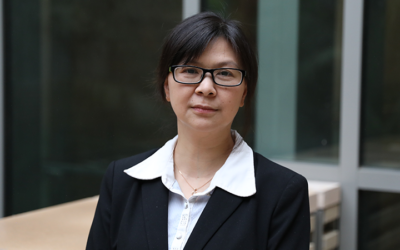
UCLA Engineering Professor Yu Huang Receives International Breakthrough Honor for Hydrogel Fuel Cell Innovation
Yu Huang, a professor of materials science and engineering and holder of the Traugott and Dorothea Frederking Endowed Chair at the UCLA Samueli School of Engineering
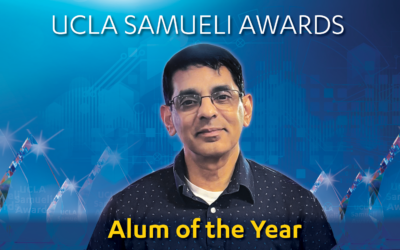
UCLA Samueli Announces 2026 Alum of the Year
Each year, the UCLA Samueli School of Engineering honors alumni, faculty, students and other engineering leaders for outstanding achievements in their fields.
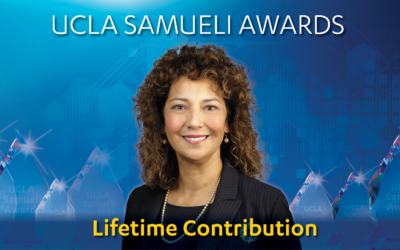
UCLA Samueli Announces 2026 Lifetime Contribution Award
Every year, the UCLA Samueli School of Engineering selects and recognizes outstanding achievements by a number of its alumni, faculty members and students who have excelled in various fields.
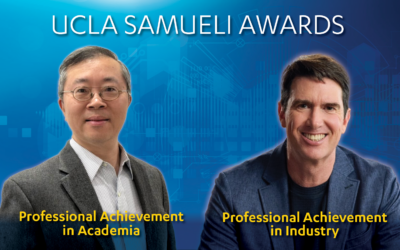
UCLA Samueli Announces 2026 Professional Achievement Awards
Each year, the UCLA Samueli School of Engineering honors alumni, faculty, students and other engineering leaders for outstanding achievements in their fields.