

EV Innovator Freeman Shen Honored with 2020 UCLA Samueli Alumnus of the Year Award
Freeman Shen is founder, CEO and chairman of WM Motor, a Shanghai-based electric vehicle company. Established in 2015, WM Motor has been called a unicorn, with investments exceeding $1 billion and multinational conglomerates…
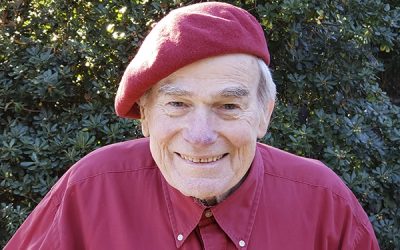
William Goddard Honored with 2020 UCLA Samueli Lifetime Contribution Award
William A. Goddard III is the Charles and Mary Ferkel Professor of Chemistry, Materials Science and Applied Physics and director of the Materials and Process Simulation Center at the California Institute of Technology.
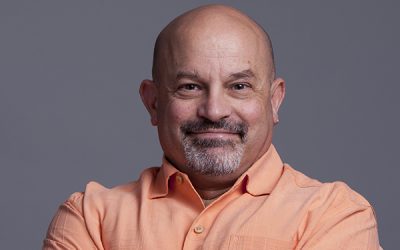
Triple-Bruin Jon Arenberg Honored with 2020 UCLA Samueli Professional Achievement Award
Jonathan Arenberg, a triple-Bruin, will receive the 2020 UCLA Samueli Professional Achievement Award for his accomplishments in the aerospace industry and his passion for sharing science with fellow Bruins and others.
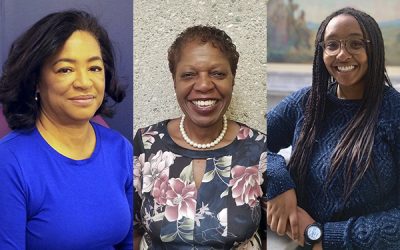
UCLA chapter of National Society of Black Engineers celebrates 40 years
The first meeting of the National Society of Black Engineers was held at Purdue University in 1975.
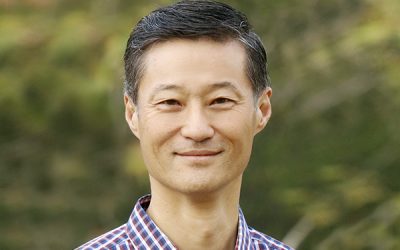
C.K. Ken Yang Named Chair of Electrical and Computer Engineering Department
C. K. Ken Yang, a professor of electrical and computer engineering, has been appointed chair of the Electrical and Computer Engineering Department, starting July 1.
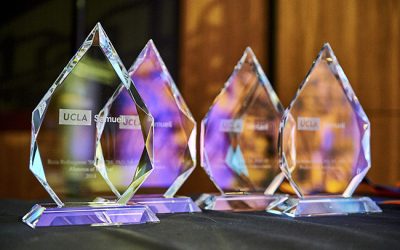
UCLA Engineering 2020 Award Recipients
Every year, the UCLA Samueli School of Engineering selects and recognizes the outstanding achievements by a number of its alumni, faculty members and students who have excelled in various fields.
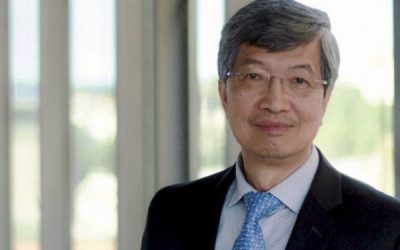
UCLA Samueli’s MSOL Program Featured by Largest Chinese Daily
The journal recently interviewed Associate Dean Jenn-Ming Yang, international initiatives and online programs, on the mission of the program and its successful outreach to accomplished engineers…

Ghost DNA Study by UCLA Computer Scientists Featured by CNN, BBC, NPR, The New York Times, Newsweek and Others
National Public Radio interviewed Sriram Sankararaman, UCLA assistant professor of computer science, computational medicine and human genetics…
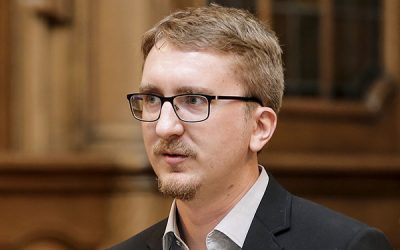
UCLA Computer Scientist Named Sloan Fellow
Guy Van den Broeck, assistant professor of computer science, was one of four early-career UCLA faculty members who received the 2020 Sloan Research Fellowship.