
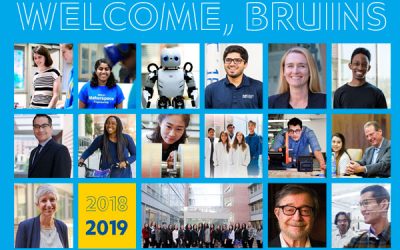
Welcome, Bruins!
This year was highly competitive for the entering freshman class (read why they selected Samueli here). We received more than 26,200 applications for 775 spots; of those offered admission, 31 percent selected Samueli–a number that continues to increase each year.

Big data to model human behavior
UCLA receives $3 million NSF grant for a new graduate education program at the crossroads of data science, mathematics, cryptography, artificial intelligence, genomics, behavior science and social science
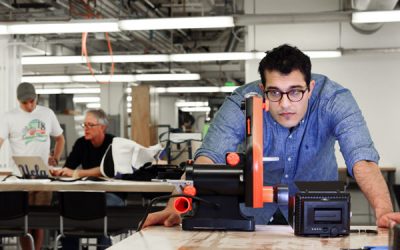
New 9,000-square-foot student makerspace to open in Boelter Hall
3D printers, a virtual reality system, electronics fabrication tools and more will be available, free of charge, for personal projects and group activities.
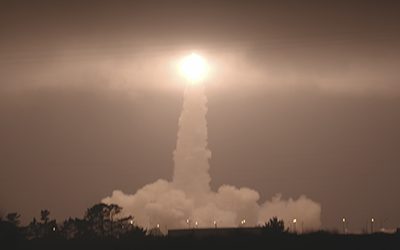
We have liftoff of student-built satellites
With the successful launch of their ELFIN satellites, UCLA students’ work studying space weather is just beginning
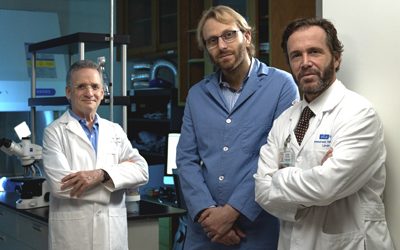
UCLA researchers develop mechanism for characterizing function of rare tumor cells
Scientists have long known that circulating tumor cells, rare cancer cells that are released into the bloodstream, have the potential to provide vital information about a person’s specific cancer.
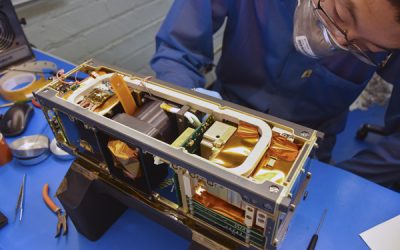
Countdown to launch: Undergrads build space weather satellites for NASA
Five years ago, a group of UCLA undergrads came together with a common goal — to build a small satellite and launch it into space.
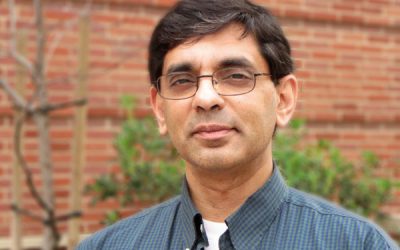
Alumnus creates new scholarship
Alumnus Mukund Padmanabhan, an accomplished electrical engineer who now works in finance, has made a gift of $500,000 through his foundation to create a new scholarship at the UCLA Samueli School of Engineering.

Supporting Sustainability: Clean Water
How do we save the planet for future generations? We can start by cleaning up our oceans and bringing potable water to areas that desperately need it–which is exactly what the engineers at UCLA Samueli are pursuing.
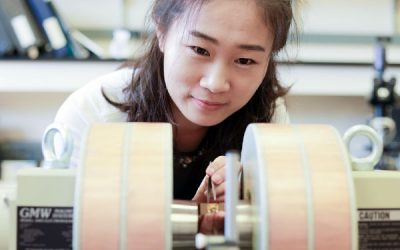
Algorithm accurately predicts how electromagnetic waves and magnetic materials interact
UCLA algorithm could lead to next-generation smartphones and other communication devices that send and receive information faster and at higher volumes. Research group has received $2.4 million grant from DARPA to expand the tool’s capabilities.